

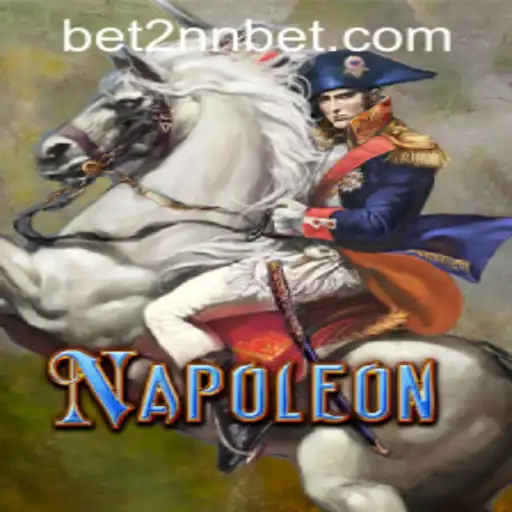
Explore the fascinating card game Napoleon, its origins, rules, and its current relevance with a focus on gameplay and global trends.
Introduction to the Game Napoleon
In the world of card games where Poker and Blackjack often dominate discussions, Napoleon stands out with its distinct rules and strategic gameplay. Named after the famed French military leader, this trick-taking game has long captivated players with its dynamic nature and historical roots. Whether played casually among friends or in more competitive settings, Napoleon offers a unique blend of chance and strategy that continues to engage enthusiasts worldwide.
Origins and Historical Significance
Napoleon as a card game first emerged in the 19th century, inspired by the historical connotations affiliated with Napoleon Bonaparte. The period was one of intense military and political activity, and the game itself reflects these elements through its gameplay mechanics. Just like its namesake, the game requires players to be both strategic and opportunistic, making calculated decisions to outwit their opponents. In recent years, there's been a renewed interest in traditional card games, including Napoleon, as people seek nostalgic and intellectually stimulating pastimes.
Basic Rules of Napoleon
The rules of Napoleon can vary, but the fundamentals remain the same. It typically involves four to five players with a standard 52-card deck. The primary objective is to win as many tricks as possible through astute card play and careful bidding. The game begins with a round of bidding, where players predict the number of tricks they can take, effectively announcing their confidence in their hand, much like a gamble. The player who bids the highest becomes the 'Napoleon' and leads the play.
The player who succeeds in hitting their bid exactly gains additional points, while failing to meet the bid results in a penalty. The game often involves setting a trump suit, adding another layer of strategy as players decide which combinations will best achieve their goals, reflecting the unpredictability yet strategic depth reminiscent of Napoleon Bonaparte's own campaigns.
Contemporary Context and the Digital Age
In today's digital world, games like Napoleon have found a new lease of life through online platforms. Keywords like "2nnbet PH Login" highlight this transition to digital mediums, where players can log in and enjoy the game through a variety of available apps and websites. This shift has made the game more accessible to a global audience, contributing to a revival in interest among younger generations unfamiliar with traditional card games.
The convenience of digital play not only broadens the game's reach but also introduces enhancements that make the experience more engaging. From tracking player statistics to global leaderboards, the integration of technology adds a new dimension of competitiveness and connectivity for players around the world.
Strategy and Skills Required in Napoleon
Similar to chess or bridge, the strategic element of Napoleon cannot be understated. Players must possess a keen understanding of probability, risk assessment, and the human aspect of psyching out their opponents. It's about making the right bid, managing the trump suit effectively, and capitalizing on the opportunities presented either by the hand you're dealt or by the missteps of others.
As with any game that involves strategic oversight, experience is a crucial component. Veterans of Napoleon often speak of 'reading the room,' a skill that allows them to make educated guesses regarding the contents of other players' hands based on their bids and plays. This element of skill and strategy is what propels Napoleon beyond a simple game of chance into the realm of classic card games.
Globalization and the Spread of Napoleon
The recent global trends and the rise of online gaming platforms have contributed significantly to Napoleon's spread across different cultures. Many regions have developed their own variations, incorporating local twists while maintaining the core mechanics. This diversity not only enriches the game but also fosters cultural exchange, creating shared experiences that transcend geographic boundaries.
With ongoing geopolitical shifts and cultural exchanges facilitated by technology, games like Napoleon are not just pastimes but also a reflection of human interaction patterns. As the game continues to evolve, it remains a fascinating example of how traditional pastimes can adapt and thrive in modern contexts.




0 Comments